Month: May 2025

LG Parts Price Increase Starting June 2025

At Sarah’s Appliance Repair, we’re committed to transparency, affordability, and keeping our customers informed. Recently, we received a notice from LG Electronics that affects parts pricing industry-wide—starting June 2, 2025, LG will increase prices on appliance parts by an average of 13%, with some parts increasing between 5% and 15%.

This change comes as a result of global trade tariffs, which have impacted LG’s supply chain and sourcing costs. While LG has taken steps to minimize the impact, including exploring alternative sourcing options, the price increase has become necessary.

What This Means for Appliance Repair

Because these increases affect the actual cost of parts, some appliance repairs involving LG parts may reflect slightly higher pricing starting in June. This is not a decision we take lightly, and we understand the importance of cost-effective repairs.

That’s why our team is working hard behind the scenes to keep overall service costs as low as possible. We continue to monitor price updates from all manufacturers and adjust our quotes fairly and transparently.

Repair Is Still the Smarter Choice

Even with modest increases in part costs, repairing your appliance is still often far more affordable than replacing it. New appliances can come with high upfront costs, installation fees, and long wait times. By repairing, you extend the life of your existing appliance and save money in the long run.

At Sarah’s, our technicians always recommend the most cost-effective solution based on your appliance’s condition, age, and the cost of the part or repair.

We’ve Got Your Back

As always, we appreciate your trust in Sarah’s Appliance Repair. If you have questions about a recent repair or an upcoming estimate, don’t hesitate to reach out. We’re here to help you make informed decisions—with no surprises.

We’ll continue to share updates if and when other manufacturers announce similar changes.

Thank you for choosing us to keep your home running smoothly!

The post LG Parts Price Increase Starting June 2025 appeared first on Appliance Repair New Mexico.

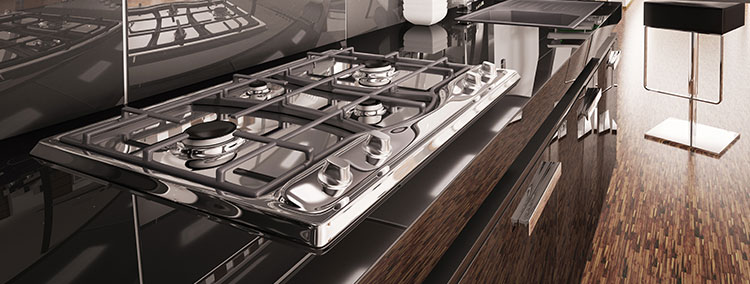
What Is the Best Thing to Clean a Cooktop With?

Your stovetop is a kitchen workhorse, allowing you to make everything from sauté veggies to pan-sear chicken. Unfortunately, stovetops quickly accumulate oil splatter, burnt-on food fragments, and other debris due to their frequent use.

If you do not clean the surface regularly, the accumulated filth can reduce the effectiveness of your stovetop and potentially pose a safety risk.

Fortunately, if you have a glass stovetop, this buildup is considerably easier to manage and can be removed with a few simple tools.

Wondering what is the best thing to clean a cooktop with? There are plenty of ways you can go about it as given by commercial appliance repair professionals.

Everyday cooktop care

You must apply a few drops of soap cream straight to the stovetop and cooking surface.

You should use a paper towel or cleaning pad to clean the stove surface.

Using a dry cloth or paper towel, wipe all cleaning residue. There is no need to rinse; however, you should not heat the cooktop until when you are removing the cream.

Sometimes, you don’t need to do much. Simply use hot water to remove the filth. Sometimes, the simplest approaches work best. First, submerge a dishrag or cloth in boiling water.

Place it over any remaining residue on your cooktop and allow it to settle for a few minutes. The steam and warm wetness will help to break up the grime, making it easier to clean away later.

Cleaning burnt-on spills

Let the cooktop cool thoroughly, and then apply a few drops of cleaning solution to the entire burned-on region.

Rub the residue with a cleaning pad or a paper towel, using pressure as needed. Add extra cleaner until the spill is gone, then buff the surface dry.

Clean and polish the entire surface to provide additional protection.

Cleaning heavily burned on the surface

Scrape soil off the ceramic glass surface using a razor scraper. To remove the residue, you must apply pressure to the razor scraper. Ensure the scraper blade is not dull or nicked to prevent damage.

Keep a small bit of cleaning cream on the residue while scraping. After scraping with the razor scraper, use the scrub sponge to clean up any leftover residue.

After removing any remaining residue, use a cleaner and a paper towel to polish the entire surface.

Removing stuck-on residues

Sometimes, regular cleaning is insufficient. Stubborn burnt-on food and residue can be difficult to remove and require more caution. When that occurs, try this easy way to go around it:

  • Sprinkle baking soda over the area.
  • Immerse a clean cloth in hot water. Wring it out till it’s no longer soaking wet.
  • Allow the baking soda to sit for 10 minutes after covering it with a cloth.
  • Use a towel to wipe away any remaining residue gently.
  • Finally, spray with your favorite glass stovetop-safe cleaning. Wipe with a microfiber cloth.

Cleaning sugar spills or melted plastic

When removing hot items from the stove surface, take special care to avoid lasting damage to the glass surface. Sugary spillovers (such as jellies, fudge, candy, and syrups) or melted plastics can cause pitting on your cooktop’s surface if not removed while still hot. When removing heated items, exercise extreme caution.

First, turn off all surface units and remove any hot pans.

Wearing an oven mitt, use a single-edge new, sharp razor blade scraper to relocate the spill to a cool cooktop area, then remove it with paper towels.

Leave any remaining spillover on the cooktop until its surface has completely cooled before cleaning it using the above methods.

You should avoid using the surface units until you remove all spill residue.

Cleaning scuffs and scratches

To avoid marks and scratches, do not move pots and pans across your stove; they will leave metal markings on the surface.

You can remove these marks using a cleaning pad and/or a razor scraper.

Allowing pots with a thin aluminum or copper overlay to boil dry may result in a black discoloration on the cooktop. You should remove this quickly before heating again, or the discoloration may become permanent.

Check the bottoms of pans for nicks, gouges, or rough areas, as these will scratch the stove surface.

Despite a glass cooktop being easier to clean than other types of stovetops, glass can be quickly scratched if not properly maintained. Keep these factors in mind to avoid inflicting accidental harm to your cooktop.

Avoid using abrasive items such as steel wool or stiff scrub brushes, which can scratch or damage the glass surface. Instead, use microfiber cloths or non-abrasive sponges.

When it comes to cleaning, use cleaners made specifically for glass stovetops. As a rule of thumb, avoid using harsh chemicals that can damage the glass or release toxic fumes when heated.

Do not drag rough pots and pans across your glass stovetop since this might result in micro scratches. Over time, these scratches can accumulate and weaken the glass, leading to cracks. And you don’t want this, do you?

Avoid dropping anything heavy onto your glass stoves. While glass-ceramic stovetops are durable, they are still vulnerable to damage from heavy objects, so handle them carefully.

Safety tips when cleaning the stovetop

When cleaning your stovetop, you must take a few steps to protect yourself.

Before you begin cleaning, ensure the stovetop is turned off and cooled. Hot surfaces can cause burns if you accidentally touch them during cleaning. To promote ventilation in your kitchen, open windows or use exhaust fans while cleaning.

You should minimize the amount of water or cleaning solution that touches the stove’s electrical components. This is because water or moisture can cause electrical issues or damage. You also might get electrocuted, and you don’t want this.

Parting shot

These are some of the ways to clean your cooktop and the best products to use. As you can see, you can clean the unit by yourself. You should note that you need to take good care of your cooktops for them to look good for a long time and avoid hiring cooktops repair Northern VA professionals to fix it when it breaks down.

The post What Is the Best Thing to Clean a Cooktop With? first appeared on HVAC Repair, appliance repair. The post appeared first on Express Appliance Repair

Is It Better to Keep a Fridge Full or Empty?

appliance repiar

Many curious people wonder whether their refrigerators work better when full or empty. If you are one of these people, you should consider your refrigerator as following the Goldilocks Principle: Not too much, not too little—just right.

According to appliance repair professionals, refrigerators that are too full lack sufficient airflow to keep things cool. On the other hand, if your refrigerator is nearly empty, it will not function efficiently. Your refrigerator has a sweet spot, which is where the Goldilocks Principle comes in.

You should keep a refrigerator about 3/4 full. This allows the fridge to run at its peak efficiency. Air circulation is unobstructed and free-flowing, and the food correctly absorbs the cold to aid in the process.

So, how full should your refrigerator be? For optimal performance and efficiency in controlling interior temperatures, always fill the refrigerator 3/4 full and keep all vents clear and unobstructed. This eliminates the problem of the fridge continually running and so saves money on utilities.

The problem of having an overfull refrigerator

When the refrigerator is too full, it must compete with all of the food. Your refrigerator needs space to circulate cold air through and around the food in order to keep everything at the right temperature.

Furthermore, an overfilled refrigerator’s vents are likely to be obstructed. This not only prevents airflow, which is essential to keep items cool, but it can also harm your refrigeration system. If your refrigerator isn’t cold enough, it could be because it’s overstuffed.

When asking, “Does a refrigerator work better full or empty,” keep in mind that your refrigerator performs better when full, but you don’t want it to be too full.

Dangers of an empty refrigerator

We know that an overstuffed refrigerator does not work well. However, we know it won’t work well when empty. Food absorbs cold air, which helps to chill the food around it.

When the refrigerator is too empty, the appliance works overtime (and costs you money) just to keep a few items cool. You may find your empty refrigerator not cold enough, or you could discover delicate items (i.e., lettuce) freezing.

An empty refrigerator is not very efficient and certainly not a good use of your hard-earned paycheck.

The perfect solution

As mentioned above, the ideal amount of food to keep in the fridge is three-quarters full. At this size, there is ample room for air to travel freely inside while still providing enough food to keep each item chill.

Other ways to keep your fridge functioning optimally

Besides keeping your fridge functioning while three-quarters complete, there are a number of other things that you can do to keep it in better working condition. These things include:

Get a more efficient unit

This may seem like an obvious statement, yet refrigerators have evolved significantly in terms of energy efficiency. A very efficient model from five or ten years ago could potentially cost twice as much to run as a modern model. If your refrigerator has been around for a while, it may be time to upgrade.

When shopping for a new refrigerator, consider both physical and technological features. Frost-free, freezer-top, and freezer-bottom types are typically more energy-efficient than multi-door variants. This is especially true if you will not be able to keep a large refrigerator stocked.

Keep the door closed.

It’s easy to become preoccupied and walk away from the refrigerator for a moment, leaving the door open. However, this allows all of the cool air to escape and all of the warm air to enter, forcing the appliance to work harder to keep things cool. Try to limit door opening times to a minimum to put less stress on the appliance.

Don’t put hot food in the fridge.

Putting hot food in your refrigerator elevates the temperature inside, so the appliance must work hard to bring it back down. Some people are concerned that leaving food out allows it to spoil, but allowing leftovers to reach room temperature before storing them in the refrigerator is entirely safe.

Keep the coils clean.

The condenser coils in your refrigerator are critical for keeping the temperature inside cool. If left unattended, they can accumulate a significant amount of dust over time. Keeping these clean will reduce stress on the condenser, extending the life of your refrigerator.

Remember to disconnect the device before cleaning the coils, and use a vacuum or brush for the greatest results.

Keep an eye on the temperature inside the fridge.

The temperature you set in your fridge may not be the temperature you receive. This can go both ways: your refrigerator may be slightly warmer or cooler than the temperature indicated on the dial. The optimal temperature ranges between 2.2°C and 3.3°C.

If your thermometer indicates that you are at the lower end of this range, you could raise the temperature dial on your appliance slightly. This will lead to considerable energy savings.

Keep your fridge organized.

You may argue that good fridge organization is just a point of good housekeeping—how could it possibly impact the efficiency of your appliance?

Well, the less time you spend rummaging around looking for food with the refrigerator door open, the less work the condenser has to do to get the temperature back to the set level. Additionally, if you organize your refrigerator properly, food will last longer, so keep your fridge as organized as possible.

Use the proper containers.

You should store all food in refrigerator-safe containers; glass is better than plastic because it absorbs and holds colder; moisture inside your refrigerator will make it more challenging to maintain a consistent temperature; and cover foods and liquids to prevent the compressor from working too hard.

Parting shot

As you have seen, it’s not good to keep your fridge too full or too empty as there are a number of dangers that come with it. The best way out is to keep your fridge ¾ full.

Remember that how you work with your fridge comes in handy in keeping it running efficiently and keeping refrigerator repair Fairfax professionals at bay. Do the right things, and the fridge will not only function optimally but also be free of problems.

When it comes to hiring a professional to help you out, ensure that you hire the most experienced.

The post Is It Better to Keep a Fridge Full or Empty? first appeared on HVAC Repair, appliance repair. The post appeared first on Express Appliance Repair

This website nor its owners are an actual service provider, this website is a referral service. When you place a phone call from this website, it will route you to a licensed, professional service provider that serves your area. This website may receive compensation for referrals. For more information refer to our terms of service.

© Appliancerepairnearme.cc

(877) 959-3534